Ryan Lepicier, President & CEO, National Peanut Board
At the National Peanut Board, we have been developing and launching our 2026-2028 Strategic Plan. It's built on a refreshed mission: to cultivate the value of USA-grown peanuts and strengthen the future of peanut farming families. It’s an ambitious vision: through an array of proactive measures, we write our own future - one where more people are enjoying peanuts in more ways, and our farmers are capturing all the prosperity possible.
As some may know, we're funded by America's peanut farmers through a checkoff program on every ton that comes out of the ground. These dollars, pooled, go to programs for research, promotion, and programs that secure that sustained growth. Which leads to the question I expect we'll hear: What have you been doing, is it working, and what’s next?
Fair question. So let me show you what 2025 taught us.
The Mandate
First, the foundation. America's peanut farmers gave us the strongest mandate in our history: a resounding 93.23% approval in our most recent referendum. That vote represents trust, and it comes with clear expectations. The results are real and we are going to continue to produce them.
The numbers back up that trust. We're seeing $11.10 in return for every dollar invested in our programs. Farmers planted 1.95 million acres in 2025, the largest total in over three decades. And the global peanut market is projected to grow from $92.84 billion to $114.33 billion by 2033.
But here's the thing: that crop won't harvest itself. Strong fundamentals are key. But to continue to yield, it’s essential we understand what’s working. From this we will see what to continue to nurture, and what new seeds to plant.
Health Nut Club: Meeting Gen Z Where They Are
We’re pleased to share that Millennials are engaged. And while we’ll continue to delight that audience, Gen Z is the next priority. This is a generation of 69 million Americans, 20% of the U.S. population, and they will define food culture for decades to come.
Our research tells us they're looking for something different: sustainability, affordability, transparency, authenticity. Our job isn't to convince them peanuts matter. It's to show up in ways that break through the noisy world and connect with them where they are.
Health Nut Club became our proving ground.
Our campus tour across six peanut states and agricultural universities delivered 32,000 participants, 13 million impressions, and 78% growth in our social platforms. Our influencer program generated 8.1 million impressions with 4.1% engagement, more than double the industry average. And our retail shopper marketing drove $6.1 million in attributed sales with an $18.74 return on ad spend. That's 10x growth versus 2024.
Here's what stood out: Gen Z already over-indexes on peanuts as a sustainable, plant-based protein. They're inclined toward us. We just needed to meet them on their terms. Health Nut Club proved we can take the compelling case to them, at scale and in a way that will connect.
This work directly feeds our 2028 goal: making peanuts the preferred sustainable, plant-based option for Gen Z. The early signals say we're on the right track.
Food Allergy Prevention: Early Introduction Delivers Results
For those following the peanut allergy space, 2025 brought exciting news and important validation. Research published in Pediatrics showed a significant decline of 43% in peanut allergy rates among children under the age of 3 since the updated food allergy prevention guidelines were released. This is among the first real-world U.S. evidence that the science is translating into outcomes and that we are writing our own script.
Working with pediatricians, dietitians, researchers, and educators, we are making real progress toward a world that very soon welcomes a generation without the anxiety of peanut allergies lingering over our youth and their futures.
This of course does not happen overnight. We've been working toward this moment for over two decades. Since 2001, America's peanut farmers have invested nearly $43 million in food allergy research and education. That funding contributed to the early introduction guidelines themselves, the first FDA-approved treatments, and now, the infrastructure that turns breakthrough science into widespread behavior change.
In 2025, we awarded $500,000 in research grants and continued building that infrastructure through Little Peanut. The challenge is closing the gap between healthcare providers who know the science and parents who practice early introduction.
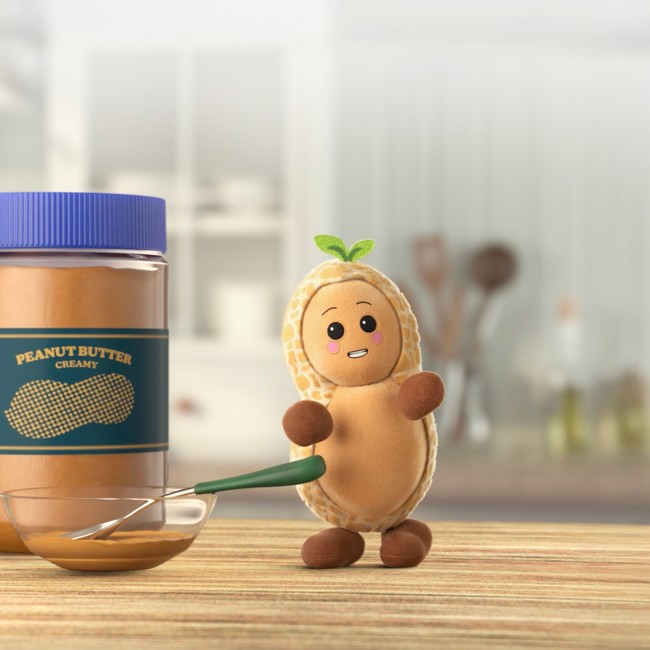
This new character, Little Peanut, is helping tell the story.
Little Peanut's reach in 2025 was big. 5.4 million provider impressions via targeted digital outreach, 2.7 million views of our animated video, and 15,000+ clicks to Meet Little Peanut.
We strategically equipped high-impact providers, including 143 WIC providers serving families most at risk for health disparities, with trusted resources to share with hundreds of families.
Our 2028 goals: 60% of pediatric providers consistently recommending early introduction and 70% of new parents practicing it, with decreased disparities for underserved families.
Are these targets ambitious?
Absolutely.
Are they achievable?
When you look at declining allergy rates, two decades of sustained investment, and millions in provider reach... 2025 suggests yes.
The hardest problems require sustained commitment. The peanut allergy story is a case study in what happens when an industry commits to solving, not just managing, its biggest challenge.
Growing Global
Our plans for sustained growth depend on collaboration with the American Peanut Council.
While we focus on representing American peanut farmers through marketing, promotion, and research, APC represents the entire supply chain: shellers, brokers, and manufacturers. Though different, we're united in raising awareness and interest in American peanuts, both domestically and around the world.
I’ve had the opportunity to connect with decision makers around the world through trade missions, and doing the thing I most love – sharing the power of the great American peanut, driving demand and developing loyalty. APC plays an important role in telling and selling that story, our recent work with them has been successful and we look forward to continuing and strengthening that relationship in the years to come.
With a global market projected to reach $114 billion by 2033, international sales are critical to meeting our growth targets. Our continued partnership with APC helps plant the seeds of that worldwide success.
What 2026-2028 Actually Looks Like
Looking back is useful. What matters more is what comes next.
This month, we launch our 2026-2028 Strategic Plan. It builds on 2025's work and sets a clear direction forward.
Our refreshed mission: "To cultivate the value of USA-grown peanuts and strengthen the future of peanut farming families through compelling promotion and groundbreaking research."
Our vision: By 2028, more people are enjoying and using more peanuts in more ways, more often.
In 2025, we made real gains in allergy prevention, Gen Z engagement, school nutrition, and industry collaboration. In 2026-2028, we'll build on that progress through focused strategies across promotion, research, storytelling, and organizational excellence—each with measurable targets to track our progress on the path to prosperity.
But here's the reality: None of this happens if we work alone. It requires the entire industry moving together. Farmers, processors, manufacturers, retailers, healthcare providers, researchers. Our role is to create the conditions for that collective action.
What I'm Watching
Every initiative comes back to the same goal: improving the economic condition of America's peanut farmers and their families. That's who we work for. The 93% referendum vote says they believe this direction is right. Now the work is execution.
What gives me confidence? 2025 showed us sustained commitment on hard problems yields results. The peanut allergy story isn't finished, but the trajectory is clear. The Gen Z engagement strategy is working. The fundamentals are strong.
I’m optimistic about how we can apply and build upon the lessons 2025 taught us.
Last year I shared my first reflections as CEO in "Planting Seeds of Success." This is the next chapter of that conversation, and now we're tending to what we planted.
That's how I see it. What are you watching? What challenges and opportunities are shaping your plans for the year ahead?
About the Author: Ryan Lepicier serves as President & CEO of the National Peanut Board, leading strategic initiatives that support America's peanut farmers and drive industry-wide innovation.